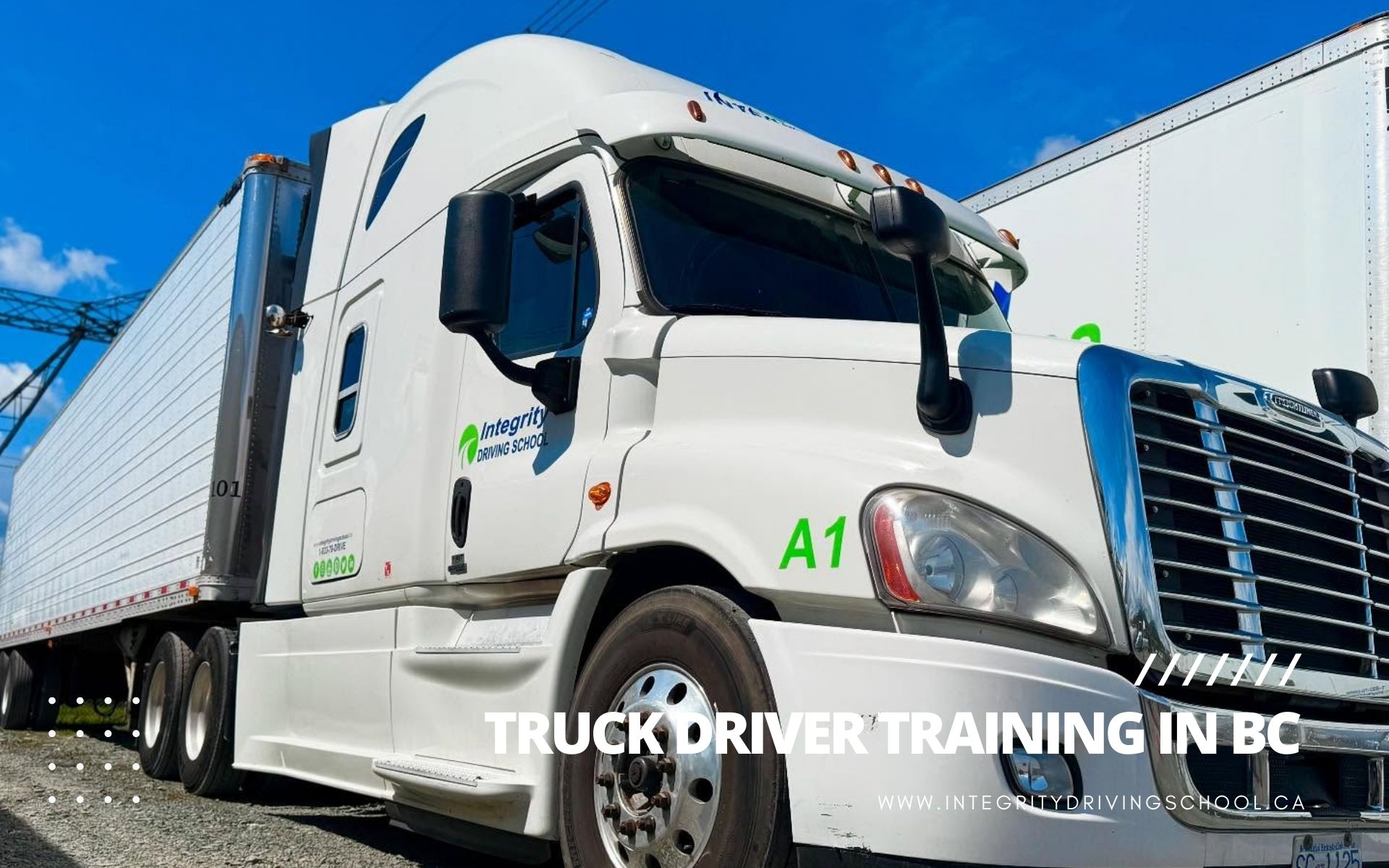
Becoming a Class 1 truck driver in British Columbia is a rewarding career path that offers strong job demand, competitive wages, and long-term growth opportunities. However, success starts with the right training, preparation, and mindset.
With the introduction of Mandatory Entry-Level Training (MELT), the process of earning a Class 1 licence in BC has become more structured – and safer for new drivers. This guide explains what MELT is, how Class 1 training works in BC, and proven tips to help students succeed.
What Is a Class 1 Truck Licence in BC?
A Class 1 licence allows you to operate:
- Tractor-trailers
- Semi-trucks
- Combination vehicles
- Long-haul commercial trucks
It is the highest commercial driving licence in British Columbia and is required for most professional trucking jobs.
What Is MELT (Mandatory Entry-Level Training)?
MELT is a government-mandated training program required for all new Class 1 licence applicants in BC. It was introduced to improve road safety and ensure consistent, high-quality driver education.
Key MELT Requirements in BC:
- Minimum 140 hours of training
- Combination of:
- Classroom theory
- Yard and backing skills
- In-cab and on-road driving
- Training must be completed at an ICBC-approved driving school
- MELT completion is mandatory before booking your Class 1 road test
Without MELT certification, you cannot obtain a Class 1 licence in BC.
What You Learn in Class 1 MELT Training
A quality Class 1 MELT program covers:
Classroom Training
- Air brake systems
- Hours of Service (logbooks & ELDs)
- Trip planning
- Cargo securement
- Professional driving responsibilities
- Safety regulations and compliance
Yard & Skills Training
- Pre-trip inspections
- Straight-line backing
- Alley dock and offset backing
- Coupling and uncoupling trailers
On-Road Training
- Highway driving
- City traffic navigation
- Mountain and winter driving basics
- Lane management and defensive driving
How to Succeed in Class 1 Truck Driver Training
Success in Class 1 training is not just about driving – it’s about discipline, consistency, and attitude.
1. Take Pre-Trip Inspections Seriously
Pre-trip inspections are one of the most failed components of the ICBC road test.
- Memorize inspection steps early
- Practice speaking clearly and confidently
- Don’t rush, accuracy matters more than speed
2. Ask Questions & Practice Often
Good instructors expect questions.
- Ask for clarification immediately
- Request extra practice if you’re unsure
- Repetition builds confidence and muscle memory
3. Master Backing Skills Early
Backing can be challenging for new drivers.
- Learn reference points
- Go slow and make small corrections
- Get out and look (GOAL) when unsure
Backing improves dramatically with practice and patience.
4. Develop a Professional Mindset
Truck driving is a career, not just a licence.
- Show up on time
- Be prepared
- Treat training days like real workdays
Employers often ask schools about student attitude and reliability.
5. Stay Calm During Training & Testing
Nerves are normal, especially during road tests.
- Breathe and stay focused
- Remember: safety is more important than perfection
- If you make a mistake, correct it safely and move on
Common Challenges for Class 1 Students (and How to Overcome Them)
Feeling Overwhelmed
MELT covers a lot of material in a short time.
Solution: Study a little every day instead of cramming.
Fear of Large Vehicles
New drivers often feel intimidated by truck size.
Solution: Trust your training and practice defensive driving techniques.
Test Anxiety
Road tests can be stressful.
Solution: Mock tests, instructor feedback, and proper rest before test day help greatly.
Funding & Financial Support for MELT Training
Class 1 MELT training can be a significant investment, but funding options may be available, such as:
- WorkBC programs
- Employment training grants
- School financing or payment plans
Always ask your driving school about available financial assistance.
Career Opportunities After Class 1 Training
With a Class 1 licence, graduates can pursue:
- Long-haul trucking
- Regional or local delivery
- Construction and equipment hauling
- Port and container transport
- Specialized freight (with experience)
The demand for qualified truck drivers in BC remains strong and consistent.
Final Thoughts: Is Class 1 MELT Training Worth It?
Yes – Class 1 MELT training is absolutely worth it for those serious about a professional trucking career. While the program is rigorous, it prepares drivers with the skills, safety knowledge, and confidence needed to succeed on BC roads.
Choosing the right ICBC-approved driving school, staying committed, and practicing consistently are the keys to success.